Comprehensive Driving Lessons: Enroll in Our Expert-Led Driving Class Today!
Progressive driving lessons present a systematic approach to developing vehicle control skills. Signing up for a professionally guided course can greatly enhance a beginner's competence and assurance. The course is thoughtfully structured to address fundamental and complex driving methods, accommodating different skill levels. Knowing what these courses involve can prove tremendously beneficial. There are several key components that support successful skill development and test readiness.
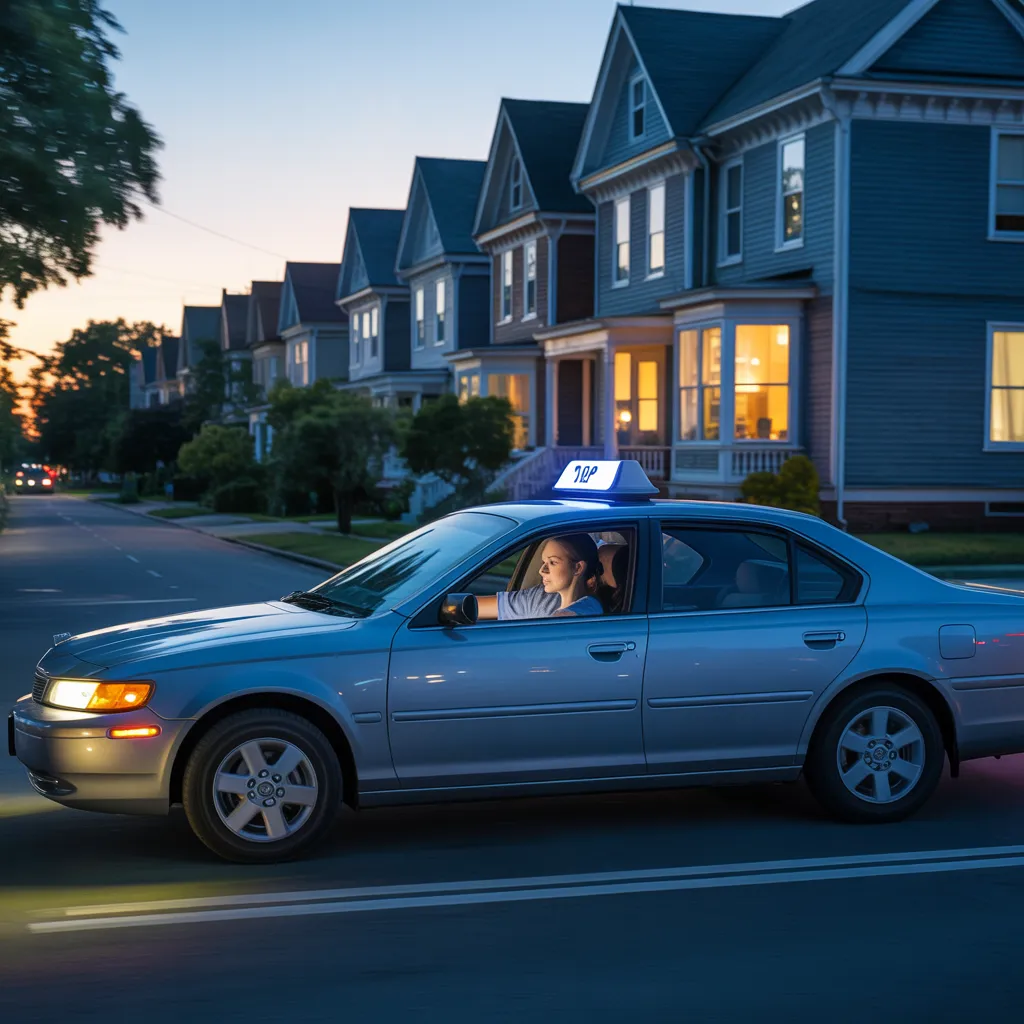
What to Expect in Your First Driving Class
The moment a student enters their initial driving class, they may notice a mix of excitement and anxiety. The instructional space, typically populated by fellow students, sets the stage for a meaningful experience. Teachers typically begin with introductions, outlining the course structure and safety protocols. Students can look forward to receiving learning resources, including booklets and printed materials, which will serve as valuable references throughout their learning journey.
The initial focus is mainly on understanding vehicle controls, basic road signs, and fundamental traffic laws. Teachers often highlight the significance of keeping a composed attitude at the wheel. Pupils are prompted to ask queries, fostering a supportive learning atmosphere. After the theoretical portion, numerous courses feature hands-on practice, where participants gain experience with the vehicle in a controlled setting. This blend of classroom learning and hands-on experience prepares students for the journey ahead, fostering self-confidence as they set out on the path to becoming responsible and capable drivers.
Driving Program: Essentials to Advanced
A comprehensive driving course includes a advancement from essential skills to complex maneuvers, making sure that learners acquire a strong foundation before tackling more challenging traffic conditions. In the beginning, new drivers focus on essential vehicle operation, including vehicle steering, braking, and acceleration. They learn essential traffic regulations, road signs, and safe road behaviors, giving a complete grasp of the driving regulations.
As students demonstrate capability in these foundational areas, the course moves forward to more complex abilities. This covers navigating different road surfaces, handling challenging weather situations, and developing strong defensive driving skills. Furthermore, learners are introduced to motorway navigation and challenging junctions, developing their skill to respond rapidly in demanding situations.
Throughout the course, teachers emphasize the significance of awareness of surroundings and safe driving practices. This structured approach enables students not only to complete their driving assessments but also to emerge as capable and self-assured drivers in a range of driving situations.
Developing Confidence as a New Driver
New drivers often face challenges in building their confidence behind the wheel. The initial experience of driving can be overwhelming, with numerous tasks to manage and a constant need for focus. To help reduce stress, beginner drivers can gain from steady, hands-on experience across different driving scenarios. Starting in low-traffic areas allows them to develop basic skills without the pressure of more complex environments.
Regular practice is essential; the more time spent driving, the more familiar and comfortable they become with their vehicle and surroundings. Additionally, enrolling in expert-led driving classes offers structured learning and professional guidance, fostering a sense of security. Positive reinforcement from instructors and supportive peers can also enhance a new driver's self-esteem. Over time, as skills improve, new drivers will find their confidence grows, transforming driving from a challenging task into a more enjoyable and liberating experience.
How to Prepare for Your Driving Test
How should a new driver go about preparing for their driving test? Being well-prepared is key to passing. First, familiarizing oneself with the vehicle is important. It is important for new drivers to be confident in using all controls, including lights, wipers, and signals. Next, practicing maneuvers such as parallel parking, three-point turns, and lane changes will enhance their skill set.
Moreover, examining the driving regulations in your area can give important guidance into the examiner's expectations. Scheduling a mock test with an experienced instructor can recreate the examination setting, helping to reduce anxiety.
Finally, verifying all required documents are in order, such as the provisional permit and ID, is critical. By implementing these measures, new drivers can tackle their driving Driving School test with self-assurance, boosting their chances of passing on the first attempt.
Popular Questions About Driving Lessons
What do aspiring drivers need to understand prior to beginning lessons? Many individuals have common questions regarding the driving lesson process. First, they often wonder about the age requirements; most areas stipulate that students must be at least 16 years of age to receive a learner's permit. Another widely asked question involves the duration of each lesson; typically, each session lasts about one to two hours, depending on the student's needs and skills.
Aspiring motorists commonly inquire about the pricing for lessons. Fees can range broadly based on the area and the instructor's expertise. In addition, many inquire about whether they are required to bring their own vehicle; most driver training schools furnish automobiles featuring dual control mechanisms for safety.
Lastly, pupils commonly question the curriculum. Comprehensive lessons typically include fundamental driving techniques, road regulations, and safety guidelines, guaranteeing that pupils are thoroughly prepared for their driving exam as well as everyday driving scenarios.
Why Expert-Led Driving Lessons Are an Excellent Option?
Why opt for professional driving lessons rather than casual instruction? The response can be found in the quality and efficiency of the instruction delivered. Qualified instructors hold comprehensive knowledge of driving skills, road laws, and safety guidelines, making certain that learners are provided with a thorough and detailed education. They employ a structured curriculum that builds skills progressively, enabling learners to more effectively comprehend difficult driving concepts.
Moreover, expert-led lessons frequently include actual driving conditions, equipping students to navigate diverse road situations with assurance. Instructors can give individualized critiques and improvements, which are invaluable for building responsible driving practices. Moreover, their experience empowers them to personalize sessions to each student's unique approach, maximizing retention and skill acquisition.
Furthermore, professional instructors routinely remain informed about up-to-date guidelines and innovations in driving education, making sure their lessons incorporate modern best practices. This professionalism makes expert-led driving lessons a superior choice for people seeking to master safe and effective driving skills.

Common Questions and Answers
What Age Am I Able to Start Taking Driving Lessons?
Commonly, learners can start taking driving lessons at the age of 16, although some regions allow students to begin at 15. It's necessary to consult regional rules regarding minimum age requirements for driving instruction.
Are Driving Lessons Available on Weekends?
Driving lessons are often available on weekends, accommodating a range of schedules. Numerous driving schools acknowledge the need for weekend availability, allowing students the flexibility to learn without conflicting with weekday commitments or responsibilities.
Can I Use My Own Car for Lessons?
Students are often permitted to utilize their own vehicles for driving lessons, as long as the car satisfies safety standards and is functioning properly. Teachers often encourage this to provide familiarity and comfort throughout the lessons.
What Occurs if I Skip a Class?
When a student is absent from a class, they could be required to make up the lesson or set a new time. Attendance policies vary, so students are encouraged to consult with their instructor about any possible consequences or available options.
Do You Offer Lessons for Automatic and Manual Cars?
Absolutely, the course offers training for both manual and automatic cars. Students can select their ideal transmission type, ensuring they are provided with customized instruction that addresses their specific driving needs and preferences for training.